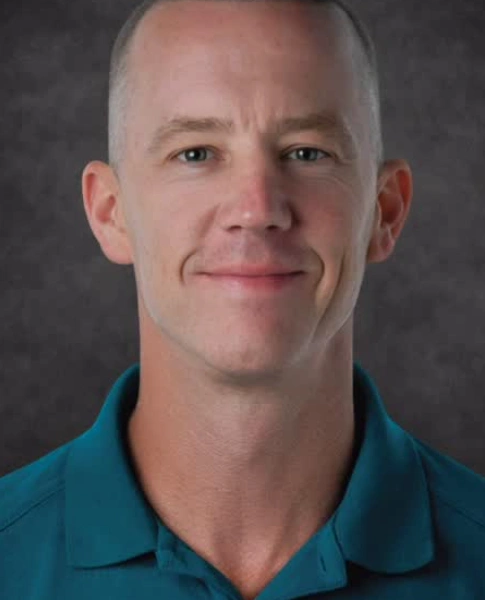
Interview with Bryan Meyer
Spotlight Series topic: Using Movement Data to Improve Health
Guest Name: Bryan Meyer
Guest Credentials: 25 Years as a personal trainer, 14 years with NBA, 4 Olympic Medalists Across 4 Sports: BMX, Basketball, Volleyball, Figure Skating
Discussion Details: We discuss misconceptions around who should get biomechanical assessments (everyone can benefit, not just pro athletes), bridging different approaches to using motion data, and the importance of communication across assembling your own care team.
Benefit of Watching: Viewers can get a sense of how motion data can be used to help them achieve healthier movement. They can also gain insight into how PTs and personal trainers can work together to achieve their goals, if the communication framework is in place.
Address of guest’s business:
2415 Atlantic Ave,
Raleigh, NC 27604
Bryan Meyer: Well, appreciate you having me. I love doing stuff like this, getting the word out and then, you know, just collaborating and talking with smarter people than me because I always learn stuff um from everybody I’m around. And the first time that we talked probably could have sat there for hours and hours um and just nerded out over stuff. So, I remember we had to cut cut each other off like like we just did. It was like, “Oh, man. We’ve been here too long. Time to go.” Right. Yeah. No, so I I appreciate you doing this. I’m excited to to get this out. But real quick, um, appreciate the the nice intro, but yeah, I’ve been doing this a long time. Uh, the reason I got into it, maybe similar to other people, is I was always wondering when I was in high school and junior high, why I was doing the same stuff everybody else was doing. I had no idea. Um, but I was doing the same thing, right, as the football team, the track team, the softball team. And I know knowledge and stuff and science has come a long way. Um, but that kind of got me into it where, you know, one guy would be doing the same thing, he would be getting faster, I would be getting slower, or this person was getting hurt, we’re doing the same exact workout. Um, you know, and especially in college when you’re eating the same um kind of same schedules and everybody’s different. So, that kind of made me go down the path um of learning more. got all the certifications, did sports science and exercise science, and then you learn when you come out like, man, I I don’t really know anything, right? So, that’s always humbling, but again, you’re that cocky kid out of out of college. Um, you know, and thinking you know everything because you got these nice certifications and your education and you’re like, I I know nothing. And it it still it still burns today, you know. I think I got something dialed in and this and that and something science driven comes up and I want to dive down that rabbit hole. I’ve never been a big trendy person to follow the latest certification to learn how to use this tool or that tool. Like science is science. Um, and I just I’m never done learning. And you know, that’s why I’m here, too, just to hang out with with like-minded people like you. And and I don’t like to be the elf in the room. I always like to have people smarter than me so I can learn uh and and pick their brains. So, in a nutshell, that’s it.
Rick Pitman: Yeah, I love that. Um, and this is something that like I really respect about you and I think it’s something why we have such good conversation all the time and why I wanted to have you on. You’re a sponge, man. Like I can tell immediately like I think anybody that meets you like you to me you recognize that like I I want to learn more about the world and I I like to think that I’m that way too. Like I want to be around people that have something that they can share and and don’t feel like they need to wall it off and can collaborate, right? Like we can all learn from each other. And I very much resonate with with your thought process of okay, I got fancy credentials. I got through school. Like look at me, I’m a hot shot. And then reality just totally hit you in the head, right? Just blocks you off. You like you get a tough case or somebody’s not responding to the thing that you think should work. Like come on, I passed all my tests. I got A’s. Like isn’t this just another exam? Right? And that’s just not how it works in the real world. And I feel like kind of graduating with your certificates or your degrees is like, well, congrats. You’ve just become a rookie. Like that’s really the right way to think about it. Like now you’re green. You went from knowing nothing to now you have just enough base knowledge to maybe start dabbling in some stuff. But of course, industry just throws you in there and people, you know, look to you and and want to trust you and they they you know, you want to produce, you want to create results. So, um, you know, I think it’s awesome that you’ve spent so much time educating yourself and recognizing that those gaps and being like, I got to be a better, you know, practitioner, trainer, etc., and kind of always wanted to elevate and have these conversations. So, that’s awesome. That’s just something I instantly respected about you and wanted to wanted to plug that um cuz, uh, you said it and I was like, “Yep, totally get it.” Um, so, couple of things, you know, that I think would be good to talk about today. Um, one conversation that came up when we had met previously was kind of this concept of do we have a really like datadriven biomechanics like force plate sensorbased approach which is what I do a lot in my practice. I’m I’m very kind of more on that sport science measurement side. And then how do we marry that with, you know, high level experience, good judgment, good observational skills, and like rapport and making real-time decisions based on kind of intuition and how, you know, clients or or you know, athletes are are kind of moving in real time. Um, so I think there’s a great opportunity to kind of talk about how to blend those things because I’ve met so many people that are in one corner or the other and I think it’s really comfortable like easy to be comfortable in one of those corners and say well this is what I know how to do this is how we solve all the problems and there needs to be more talking like this is a problem in healthcare but I think it’s also a a problem across you know if you’re helping anybody and it’s a multi-disiplinary setting. Um, so tell me a little bit about your approach and your thoughts on that and and we’ll take it from there.
Bryan Meyer: Well, I mean also it depends too on it does depend but it doesn’t depend. So like I think also what I enjoy with the short conversations and long conversations that we have is everybody what you do from a testing standpoint fits everybody. And a lot of people um look at it well I’m not a pro athlete. I’m I’m not hurt. I’m not this. And you want to be whether you’re a pro alete, you want to elongate your career and you want to have tools to be able to have your career elongated. And there’s always things that pop up that you could possibly or definitely tr um do different in your training and help guide whether you’re with that trainer, whether you’re at school, whether you’re on your own. Um, and I think there’s kind of a misconception and people really don’t know that what you do is for everybody and you have various levels of testing that you do. And how I look at it from a simple standpoint is you want to try the try to find the biggest elephants in the room. Whether it’s um inefficiency or you’re getting hurt um or we foreshadow things that possibly could happen down the road. And that’s just ammunition uh that I think whether you’re a pro alete, whether you’re just competitive during the weekends or you’re like, I don’t really know what to do and my trainer has no idea. Well, first of all, if you’re with any sort of performance coach, they should have a an idea and a direction to go. Now, it doesn’t have to go down the big rabbit hole that you have, but if you have somebody, a good physical therapist, somebody that can do the testing that you do, there’s so much good information, whether you’re here from a performance coach or you’re just kind of your second, third year in, you’re like, you can give me information that can help my client. Um, and I think that’s just something that like obviously the pro level um, possibly right now may be a little bit too much into that. It depends on what team, it depends on what agent likes. It depends on, you know, who’s pushing it. But I there’s so much good information um that you can use and you just have to figure out just a couple big elephants in the room can make a huge difference on your gate um on your function um on being more efficient, right? Um so I mean it’s it’s just endless the stuff. So I’m always trying to, you know, get a little bit more knowledge to help. And I’ve had my test. I have my PTs that I deal with, but there’s always if I can go the extra mile to get a little something that’s going to help me. Um, it’s great because every exercise I do is an assessment, you know, whether I’m trying to get more ERI or trying to get more rotation, trying to, you know, but if you you’re guessing up to a certain point, and that’s fine because again, there’s so many different things that come into play. sleep, eat, you know, stress, you know, uh, what they did the day before, what they’re going to do the day after, you know, life. Um, but the measurements are great. Um, so I think there’s I think people need to realize that it’s it’s for everybody and there’s different levels to it. Um, and that’s your job from what you do to find that happy medium for somebody who’s here or somebody who’s just trying to be healthy and play with their grandkids.
Rick Pitman: Yeah, I agree on all those points and I think you make some some great points there and the big one is that it’s it this shouldn’t be gatekept for, you know, exclusive clientele or just, you know, professional athletes. Um because there’s a lot of benefit that can come from examining these things and, you know, breaking it down and making decisions and and just like you said, I think it’s also easy to be intimidated or overwhelmed by how much data we can capture. I mean, I can I can grab way too much. Like that’s actually the problem is I can like I could measure everything and a lot of my job and expertise and especially as I get better at this is actually just refining it down to the important points. It doesn’t mean that we’re not, you know, ignoring all that rested information. We’re definitely storing it and it’s there. And if we ever need to go back and refer to it, which actually happens a lot clinically, maybe you don’t pull it forward at the beginning, but through the journey we discover things. I’m sure you see this with your clients, right? You have a you have kind of a a a process and you discover things through that process. then you go well wait that kind of begs a question where I got to go back and look. So that’s where it’s nice to have it and go back and look even if it’s not something that you know we’re targeting necessarily at the very beginning but agree on a methods approach like let’s distill it down and let’s make it approachable because for somebody that does feel like well I don’t I don’t need that because I’m not that high level it’s like let’s just dismiss that whole concept. It can be as simple as I have knee pain when I squat. that can still be a very appropriate type of person to get, you know, a a proper biomechanical assessment to see why we’re causing that pain. And this is sort of, you know, even in a medical model, this is something where I get frustrated as a as a PT. And, you know, I think us PTs that kind of work in more of the sports ortho space, always feel like we kind of live somewhere between medical model and like non-medical model. We’re kind of trying to bridge that gap, which can which can be tricky. Um, you go see your ortho and maybe they tell you that you’ve got an Achilles tendonitis, right? That’s your diagnosis. You have an Achilles tendonitis. And they might give you some sort of treatment for that. Anti-inflammatories, medication, you know, rest. That’s always my favorite. Um or some other things that um might help with the symptoms. Like the things work to bring down your pain in your Achilles tendon. And then you go back to training and your pain in your Achilles tendon comes back, right? And it’s like, okay, now we’re in this sick little thing. Go to the ortho, take down the inflammation, rest, come back, try and train, pain. You’re just caught in this cycle. No one actually like looked to see why are we getting recurring Achilles tendonitis, right? And we think this way because we might say, well, what’s your sport? Oh, you’re a sprinter. Okay. Well, that’s like, you know, there’s certain movement characteristics that we’re going to want to look at in a sprinter to see, are we stressing our calves and our Achilles tendon too much, right? Are you somehow still fast even though you’re not getting into triple extension? Maybe your performance is still good, but you have a biomechanical problem that’s causing stress in the Achilles tendon, right? And in a model where we can collaborate, I can measure those things and say, “Hey, I think this is what’s, you know, perhaps the root cause of this issue.” And with that information, you might see that, right, Bryan? You’d be able to be actionable on that. I’d say, “Hey, this guy’s got limited hip extension out of the block.” When I test him, he’s like passively he’s got it. You know, that’s a huge coaching cue for you, right? Because now you can come up with programming to help teach that guy, hey, we think it’s a hip extension problem. that’s what we’re going to focus on.
Bryan Meyer: Yeah. And uh and I think um you know h having that having that information is is just awesome. It’s just what you know what what you do with it um and using it appropriately and dosing it right. You don’t sometimes you know with a general population you may you you may overwhelm them a lot. So, all right, I got two pieces of information for your hip. And when we squat, when we deadlift, when we use a machine, I can tweak the things to help with that and not make that worse. But we can still load the crap out of your legs or whatever we’re trying to do. But there’s just so many different things that, you know, good physical therapists, good performance coaches, you know, and biomechanics people that you can just change the exercise and it may look the same, but you got some sort of wedge. You got some sort of resultant pulling you or pushing you a different way uh to take stress off or to put stress on. And I that that’s the fun part, you know. um and kind of trying to bridge bridge those two and then you’re not overwhelming them and then you go back to the scheduled program but you’re still fixing that and I think that’s kind of the art thing when you got a pro guy or a you know a highle sprint or whatever like they don’t care right we we’re going to do this this and this and I don’t care what it looks like it doesn’t have to be fun but when you’re dealing with a corporate athlete you know or a normal everyday Joe that you know still wants to have nice arms and still, you know, have nice legs, but yet your ankles all jacked up, right? You got to kind of figure out how to use the information that you’ve given me and the PT’s given me. Um, and then still train them the normal way, you know? I call it like at the end of a session for like corporate people, I call it like the candy, that last five, that last five to eight minutes. Okay, I got done what I need for your hip today from Rick. Um, and we’re working on this and this and we still did this last five minutes. What do you want? All right. We want arms or we want glute stuff. That’s fine. We’re we’re going to do it this way. Right. But but I’m still going to sneak that stuff in. And that was a little bit off the subject, but kind of that the corporate athlete is different from the pro alete. Yeah. Or from a, you know, this is my sport. This is I don’t care about my arms. I don’t care about this. But a lot of the people that you know you’re going to deal with besides the sports stuff is that person that just wants to look and be healthy. Um so you have to get a lot done in a short amount of time. And if you’re doing all knee and all ankle and all hip stuff, they’re like, “Well, this is, you know, if you can if you can combine that and do it in a in a way with somebody that has the knowledge that you have in good PTs, like it’s it’s a fun puzzle to do for normal people, too.”
Rick Pitman: Yeah. Yeah. And I actually don’t think your comment is off topic. I think it’s actually a good thing to talk about this because um you know it there’s a big accountability piece to coaching, right? Like I think I think everybody should just admit this, right? It’s like part part of it is like motivation to continue to just train. Even if that training isn’t always perfect, it’s like you’re showing up and you’re doing stuff, right? That’s the first barrier, right? That that’s huge. And I think everybody just needs to, you know, kind of admit that when they do, it’s like this weight off your shoulder. It’s like, okay, now it’s like I’m just committing to the plan. Like that’s already the biggest step. um in doing that. And I think that that sort of insight that you just presented like feeds into your experience that you have, right? Because that’s something that you do that’s so valuable for guys like me because you’re able to see, hey, I’m I’m losing this this client because like this is the thing that’s actually going to help them reach their goals, but they don’t like it or it’s boring or it’s not what they wanted to work on today. So like supplementing with something that is enjoyable to them and is going to make them want to come back, right? something that’s like makes it feel like it’s all worth it. The candy. I love that. I love that sort of um that that approach because you’re especially at the end of the session. Sounds like you’d like to do it towards the end because then you’re leaving on
Bryan Meyer: Yeah. Because I I want to make sure we we tick off the the the big elephants and then you know at at the very end if we got stuff done and and I always especially with the corporate people uh I mean I do it with the pro athletes and the kids too and you I’m sure you do it too, right? like they could come in and do a great test one day, but yet they got in a fight with their significant other. They didn’t they ate like crap, they had a business meeting, and they’re going to come back the next week or two days later, you’re going to finish the testing. Their testing is absolutely terrible. Um, and it’s the same thing like especially with these corporate people, right? So, when they’re doing their mobility or we’re trying to work on A, B, or C to help with their patella gliding or whatnot, I’m asking them questions. I’m trying to see where we’re at. Are we are we at an eight or a nine today? Are we at like a five or a six? I’m stressed. I got in a fight with my significant. Okay. Now, now I kind of know, you know, where you’re at and how I need to gauge um the dial um on that.
Rick Pitman: Well, let let’s talk about that. So, here’s here’s a good example of kind of the two different approaches how they can work together. So, you’re talking about making real-time adjustments in a session basically, right? Absolutely. You’re saying like based on external factors that you know any number of us could experience like things that actually affect how you’re performing but aren’t necessarily one of the like things that we measured that we attack for the program that we’re measuring over long term, right? And maybe it’s like it’s important for how the journey of how to get to the goal, but it had nothing to do with the goal itself, right? So you’re make you’re using your intuition, you’re making real-time adjustments to do those sorts of things and that’s where experience cannot be replaced. I don’t I don’t care like spending time working is like the most important thing for building skill, right? And then on the on my side, I’m more on the data driven side. So like I do some of the you know velocity based um programming and and strength training and I you know a lot of my strength like for my clients is focused more on building capacity. I tell them it’s not a replacement for good functional training. It’s like, you know, there’s certain strength programs that we’re just literally adding more horsepower to the muscles and you still need to learn how to use that use that horsepower, right? Um, but I can tell you because I’m using real-time feedback in terms of training at specific speeds or, you know, let’s go back to the Achilles thing, like we’re training an ankle range of motion or if I think it’s because of a knee issue, we’re training a certain knee um, like angular velocity, like speed in which we’re moving our knees. I have seen people that like over time I expect you to be doing, you know, maybe at the same speed or maybe a little faster, but that resistance should grow over time. Progressive overload, right? We’re getting stronger. It’s the whole point. But then they’ll have a day where things are just worse. It’s just like I’m not hitting the same number at the same speed for some reason. I’m just I’m just freaking slower today, right? And having that information in real time, even if maybe they didn’t realize it, they’re just like not the bar is not going up where they want it to go or they’re not seeing kind of the performance in real time that they were before. That’s what keys me in to say, well, we need to make some kind of adjustment. Like the whole point of the program might just be to like get you fatigued today. And if that means a little less less resistance or a little slower, it doesn’t mean you’re totally off track. It means that if we were stubborn and we said, “No, it’s the next day and you have to be going at this speed at this resistance.” We can run into issues. Right now, we’ve either way overtrained them or they’re injured or they’re not getting the whole point of the, you know, program to make changes. So, I think another key thing in terms of having skill and experience, whichever camp you’re in or however whatever side of the slider you’re on, is being willing to make those adjustments and being confident to make those adjustments in real time in the sessions to match what the client’s needs are. Right. That’s the is that truly the art? I mean, that’s what I would call a big part of the art. What do you think?
Bryan Meyer: 100%. And I I think that’s always uh I think you can always get better at it. Um because every every personality is different, right? I mean, most of these highle, you know, athletes, you know, and corporate people, they’re kind of type A stuff, right? I’m going to I’m going to go through the wall no matter what. And I’m freaking tired. And you have to you almost sometimes have to trick them. And then I like to try to give like, you know, little isms and and make them learn a little bit so they kind of understand and like learn about how they work. Um because I mean knowledge is, you know, knowledge is power, right? So if they’re on their own or they have a game or just learning more about how they work as an athlete and as a person, you know, and sometimes, you know, going lighter, going slower, doing a recovery day, um maybe even not even working out. Um you know, to get back to a parasympic level, right? like um you know it’s so it’s just a learning it’s just a learning process and and that’s that’s the art right when you got all all your degrees these cool this cool equipment I’ve done this I’ve done that but that the the personality side um and the human aspect like today is probably just getting worse and worse right nobody talks um nobody wants to have confrontation you you know, it’s my way this way. Well, what about this? What about that? And then some people, you know, like certain athletes or whatnot will like to do certain things. Um whether they like the machines, whether they like more this, whether so it’s it’s kind of finding, like I said, like we’ve been talking about that artwork of trying to wiggle in what they like, but what they need. And sometimes you can’t do it and you have to kind of go this route because this is the safest for you. This is what we’re trying to look for from A to B. Um, and then other times you can kind of bend a little bit and it might not be the most effective, you know, strength profile, but they like this machine and it’s okay and we’re still getting some work done and Rick’s still going to be excited because we’re getting A, B, and C accomplished. Um, yeah. So that’s yeah, it’s just the human side that I think people don’t pay attention to uh enough.
Rick Pitman: Yeah. Yeah. I think I think that’s true. That’s a big part of I mean we’re we’re humans. We’re helping each other. That that piece is very important. It was interesting as you were talking about your corporate clients about how something that you tend to run into felt like you got to kind of pull them back a little bit. like they’re always willing to run through a brick wall and like always kind of maybe not overdo it, but like they’re they’re very zealous in like how they want to attack things, right? And so sometimes you’re programming and correct me if I’m wrong, like you’re actually dialing them back a little bit. It’s like, hey, if you overdo this workout, you’re not going to be able to work out tomorrow or Wednesday. Like you’re going to you’re going to wreck yourself, right? Like kind of the pullback thing. It’s interesting on rehab and this is where it kind of highlights where it’s important that we collaborate because I think we’re sometimes in different like we’re we interject in a different part of a client’s journey. I see almost the opposite of people that have been injured. Like if you’re coming back from ACL or you’re coming back from, you know, well, I’ve said Achilles a bunch, but any anyway, some sort of injury. It’s very hard for someone to perceive when they’re actually fatigued, right? I find on the injury side of things, especially if somebody’s just coming back and just learning how to kind of re-recruit muscles and and start to move fast again. I’m not talking like, you know, banded knee extensions. I’m talking like you’re an athlete or you’re a you’re an active individual and you need to be able to move fast, right? Like actual loading. They’re scared to do it. And it’s not that they’re mentally like, well, I can, you know, I can try my best. There’s an actual neurological delay that you don’t trust being able to load those joints. And again, for me, this is just the tools that I have. When I go back to the more of that data driven approach, I can show somebody and say this is the speed that you’re moving at right now and I’m going to load it up this much and I know you don’t trust it, but I know based on all of your tests that this is a safe thing to do, right? Here’s the environment for you to do it and I need you to explode right now. You don’t feel like you want to do it, but I need you to explode, right? And then you break that barrier and suddenly it’s we’re doing double triple the resistance that they started on. They didn’t just add more muscle capacity. There’s no way that’s impossible, right? They’re just mentally plugging into those muscles better, neurologically plugging into those muscles better, and suddenly they gain a lot of confidence in being able to use those joints. And they didn’t realize, “Wow, I can actually do a lot more weight than I thought.” Right? And that’s kind of my version of the candy is you start to feel good because you’re like, “Oh, I can actually do this. I can actually do this.” when we unlock that in a session for me, I mean, I get a lot of joy out of that because I feel like, you know, obviously you make a lot of progress in a session and it’s like you’ve just kind of the light bulb just has kind of gone off for this person. Think about what that does once I pass them off to you. Right now, they’re confident and they’re like, I’m ready to rock and roll. And you got to go, okay, wait a minute. I know you just discovered this new trick, but let’s let’s stay in bounds. Let’s not overdo it either. Right? Um, so I could totally see that with your like non-injured corporate um, athlete type that’s just like they feel good and they’re like, you know, they’re work they’re operating at a high level at work and they want to bring that into the gym and a lot of your skills and experience have worked towards kind of pulling them back a little bit. And that’s the fun part about working with athletes is usually that’s what you got to do. You know, you got to motivate them, you got to pull them back. But I just thought that was interesting because that’s my experience, but it’s on the other end like kind of unlocking and discovering movements versus having to pull them back. And then you talk about systems and people not talking like and this is I mean that’s the whole reason I like having these sort of recordings is like I think these conversations just need to happen for people to be able to listen to. And then at the very beginning you talked about like pro sports having access to these tools and that’s where it’s like the most predominant. Now you’ve got some experience in that space. So I’d love to chat with you about that because that’s something that obviously is unique to you. like you’ve worked with NBA players before and what I’m seeing on the technology side and it’s not that I’m working in pro sport although I have had some experience adjacent to it. I did have a um PT practice with the team position for Oakland athletics so I got a little bit of exposure to that but was not hired by then but was able to kind of help out. That was like when the when the data like side of things and the tools coming into the into the stadiums was like still really new. was still in like the the theoretical and pitch phase and like for MLB they’ve just been installing this stuff, right? They’re just like using this tech and I feel like they’re jumping in before they’ve really refined methodology on how to do it and before whether they’ve really validated if those tools are even producing quality enough data to start building these methods. They’re just like classic tech mentality, right? Like let’s just get it done even if it’s not perfect. let’s just get it in there and start collecting data, which sometimes can be a good thing to get things done, but it’s also an issue of like your data quality isn’t good, right? Because then now you’re making decisions about stuff that’s like your data isn’t even accurate. And on top of that, and I think this is what you alluded to, they’re all building their own secret sauce systems inside their organizations and they’re not sharing it, which is like anti-science, right? And I’m not here to pick on professional organizations because like I understand there’s a flip side to it and they have their reasons for doing it and I really just appreciate they’re trying to take these sorts of approaches, but I think when when you’re incentivized to kind of be in a silo, this is what happens, right? There’s bad communication between organizations. They all have their own secret sauce and their ways of doing it. And it’s very hard to utilize that information kind of outside of their methods. And if their methods aren’t perfect, they’re not going to get refined, right? because they’re just kind of building them within their own kind of set of information. So, I’m sure it was a it was a different uh game when when you were traveling with NBA because obviously the technology space is like blown up, but do you have any thoughts or comments in terms of like Yeah, I’m sure you do. I can see you’re chomping at the bit. So, um let me know just kind of what you think in terms of like what like what happens because you got you’ve got player, you’ve got organization, and then you’ve got agent. and they all are trying to like work together to best serve the athlete, but they all have their kind of outside motivations. So, that’s a unique space. So, do you have you have thoughts there in terms of how how that fits in this topic of like poor communication and or if you are, you know, whether you’re a pro alete, recreational athlete, or whatever, kind of building your team, right? Building your team of trusted providers to help you out with a problem.
Bryan Meyer: Yeah. Um short short story. So, love it. I was I was dealing with um I was dealing um I trained Dwight Howard for 14 years on on and off. So he was my longest probably highest profile most accomplished probably athlete on all the stuff that he did. Um but anyway he got um he was um he was playing through a little bit of wear and tear um at that time. And I’ll just say it out front. I I don’t think the the PTs and the um the trainers and stuff did their due diligence at all. Right. And at that time, right, load management wasn’t kind of a thing, right? It was like run these guys into the freaking ground, ice them up, right? Little old school mentality, which has its pros and cons, right? Um played through that, ended up having a herniated disc. Um was put back into practice. Long story short, it didn’t go super smooth. But talking about the connection between the agents, the managers, and the teams is the different teams that I’ve dealt with through my different player, there’s always a pecking order. And every team is slightly different. And sometimes that PT or sometimes that agent or um let’s just go in the team setting, we’ll use the the PTs, the masseuse, um the ortho. Sometimes they don’t communicate and they all just are trying to keep their job. And then you’ll have sometimes where they will communicate very well and I’m not afraid if I step over on Rick’s toes or Rick comes over to my space and helps me because it’s all for the good of the player. So I’ve seen it different ways where communication is great and then communication isn’t. And when I dealt with Dwight and he was going through, I did a very good job, but I also had some great PTs that I had to train him in front and I was shadowing and hanging out with them so we all knew what the hell was going on. And um the short version is he was supposed to play I think uh I think we were like 10 to 12 minutes this first preseason game, sit out for two games, reassess, ease back into it. played 38 minutes the first preseason game and the meeting that we had was between the head athletic trainer, the head coach, his manager, his agent, myself and all that went out the door when the ball went up in the air and I guess it was a I guess it was a business decision and now you’re run now you’re running my guy into the ground.
Rick Pitman: So for it Yeah.
Bryan Meyer: Yeah. Correct. Um, so every team, every team’s different. Uh, everybody’s got the agenda, but we already talked about it briefly before. Communication is huge. And I get it. It’s different when you got a a job, but the and and that’s sometimes why it’s almost better to be not always, but outside, right? Because I want to do what’s right for the person. Um, I know money and all that stuff changes stuff, but at the end of the day, like I want my guy to be 55, 60 and be able to play with his kids.
Rick Pitman: Durability, right? Durability. Yeah.
Bryan Meyer: And, you know, not have an eight eightyear good career and then walks like an old man at 45. Um, so yeah, it’s it’s it’s crazy. I mean, I got stories for days about all that stuff. Um, you know, I’m sure you do. it uh it it it’s a great education, right? You understand like, man, this guy really doesn’t care about this person. It’s a business agreement. This guy’s getting traded. This agent is really helping it. And it can get really dirty in the water. Um but then just like how you said where you were with your clients, right? And you can break through, you know, if you have a session and they they’re they’re return to sport, you know, all their asymmetries. And I got to do I do have a question for you about right and left are are pretty good, but now you’re getting them through that mental breakthrough. Um, so then when they do transition to, you know, the performance coach, um, and still use their PT and ortho, that it it it bridges that very well. And that mental part is huge. But yeah, the question that I want to ask you is um we all know or hopefully we do this audience that asymmetries are prevalent. They’re okay. We used to think back in the day at least for mine like oh you don’t you can’t have asymmetries. It has to be left to right and the more we know about it about everything inside of us like we’re not symmetrical. Um, can you touch on that a little bit on your testing and how you I’ll just be quiet. You just go off the rip on that one because you know what I’m getting at.
Rick Pitman: Yeah. I love this conversation because I feel like it’s a newer one, right? Um because like you said, it used to be, oh well, we need to be symmetrical. We have two legs, two arms, rib cage. Like visually we look symmetrical and then of course you look at internal organs. We’re not. But um I’m somewhere in the middle on the asymmetry thing because uh I guess that puts me in in an open-minded state because I when I look at studies or I look at like publications information and I do my own biomechanical testing like there are times where we do need to be symmetrical and there are times where we’re not. And I think what happened was we just assume that everything needs to be symmetrical, right? And that’s just I don’t think that’s reasonable thinking either. That’s like all the way over on the other side. like maybe some things do actually require us to be a little bit asymmetrical and that’s okay. So I always put questions like this into context. It’s like well what what sort of person are we talking about what are their goals are because you know it depends on what we’re training for. Like you wouldn’t train a a sprinter and an Olympic deadlifter or a figure skater or a BMX guy. You would never train those guys the same. There might be principles that you take and you build off of but eventually you’re fanning off into more of a specialized sort of thing. Right? So, let me give you an example where an asymmetry would matter. And this isn’t this is an easy one where it’s talked about an ACL return to sport all the time. There is a number called a quad index. It’s a very basic number, but it’s basically yeah, you’re not in your head. It’s basically just do we produce the same amount of torque with our right knee versus our left knee when we’re doing knee extension. And it turns out that if we’re not kind of, you know, if we’re more than 10%, that number by itself isn’t enough to tell us if there’s going to be an issue. But that seems to be, you know, if we’re 15 or we’re 20% or we’re 12%, like once we are beyond that 10% threshold, it seems to increase our risk, right? Um, and so it’s it’s not to say that we take that down to zero and that it’s suddenly going to mean that you’re not a risk. It’s one of several things that I’m looking at, right? But it is one that and that’s just one example of where maybe we do care about that a little bit. Now, if you’re an asymmetric athlete, if you’re a pitcher, and you’re going to be loading that front leg a lot more at release, we might have a different conversation. So, I think there needs to be more sports specific data that comes out on healthy guys and why you’re going to hear me say over and over, I want to te and you you actually alluded this earlier. I want to test guys when they’re healthy because then I have a baseline and I’m not comparing to generalized norms. I’m comparing to your norms when you weren’t injured. So, you had a question. You raised your hand about the quad index.
Bryan Meyer: Yeah. No. Uh, I had a couple. I hope I remember them. Um, well, yeah. Awesome. And then the first one was the difference between, and this is something that you can do that I don’t have the equipment to do it. I do it a little bit more from a static but is the difference between um dynamic and then um you know just an isometric holes.
Rick Pitman: Absolutely.
Bryan Meyer: Right. And then the other thing and then I’ll let the the second one was um if I had a blueprint or if I had something when I was healthy then I could kind of know where how bad the asymmetries were. And that didn’t do me justice. I was I was under the 10%. I was good here. Now let let’s crank it up so that doesn’t happen at all. And I know you can’t foreshadow everything, but obviously if you know, like you said, depending on the sport, right? You got to be able to dominate one way, but yet crossraining the other way is actually going to help it eccentrically in some way, shape, or fashion. So, I I think that’s like something you can just like you can kind of go back and forth, but I’ll be quiet for a second because I want to hear what you say on the on the first question I had for you.
Rick Pitman: Yeah. Um, and sorry I was I was listening very intently um on the on the back half of your conversation. Hit hit me with just the question just the beginning part of the question.
Bryan Meyer: The first one the first one is how big Well, all right. We’ll just do how big of the asymmetries and you said it depends on the sport. Yeah. So like what are the thresholds? Yeah, it would depend like you know if you’re a basketball player to a pitcher. Yeah. Right. Everything from your obliques to how you load on one side. I mean, it’s endless, right? Um, o how do you how do you gauge how big that should be? And I man, that’s just such an open-ended question. It’s a hard question. I is like, is Johnny getting hurt a lot? Does this shoulder bug him? And is his back hurting? Okay, then then the asymmetries are too big even though they’re 12%. or 10%. So, is that kind of how you look at your
Rick Pitman: brain’s in your brain’s in the right spot in terms of how I I look at it. So, let me I’ll just back up a minute on my methodology. One, if I get one set of data. So, you know, here I measure EMG, which I measure a lot of things, but I’ll just break down a few of them. Like, I’ll measure EMG, which is kind of when your muscle is showing me concentric signal. So, all that means is like when is your muscle biologically firing, right? Muscle strategy. That’s a big one. I’m looking at kinematics, which is essentially your form and your mechanics. Like what are your joint positions? You know, and an example might be like how bent is your knee when you do a 90 degree cut. Those sorts of things. And then I’m looking at force. I do 3D force. I don’t do 1D force. So I’m not just looking at force trace with a jump. I’m looking at force vector. So I don’t need to get too far into it. But I’m looking to see how are you pushing into the ground and what direction you’re pushing into the ground. Um all that’s and I and a number of things. I have pressure insoles, all kinds of things. But if I take all those signals and I do emotion analysis and I’m like great I have emotion analysis here’s all this information that to me is not that useful like that’s helpful but I need it in context of what’s your strength data right and that can be isometric testing or that could be velocity based testing it just depends um and in fact there’s I got some methodology things that are that are being teased out on that front if we should be shifting off ISOs but separate combo and then um the other piece is your context and your background and this is what you were alluding to like you just you’re just giving me more candy now cuz you gave me some and I’m like I want to know more. Yeah, this is what I mean. We can go forever. So eventually we’ll cut it. We’ll have to do a part two and then everybody can can come listen. Um so there’s that and then the context which in the PT world is is your patient interview, right? So my version of that is like tell me what’s tell me what you do for a sport, tell me what hurts, what doesn’t hurt, give me a background on this, what’s your medical history? I need all of those things to make the information useful because the the art when you capture a ton of data, I can tell a lot of stories, right? I can be like, oh, I can connect these dots and make this story and then or I can flip it around and do this. Without context, I don’t have a path and how to use that data. And so um to answer your question in terms of like where where do we judge the asymmetries when do we allow it when do we don’t I have to take a lot of the subjective side of it a lot of the patient interview side and factual information like what sport do you play and this and that a next level would be if I had test data from when they were healthy and there weren’t issues right u and so and then I’m putting that into context with their motion data right like if we’ve got somebody who’s an asymmetric you know sport so I I talked about pitching right obviously you throw with one arm and you land with the other leg. Like I’m going to have different expectations trend-wise in terms of what I expect for an asymmetry. Like I’m probably not using a quad index for a pitcher who has an ACL injury on his back leg. You know what I mean? Cuz like he’s going to have less power there perhaps or maybe he’s got a hip strategy with his mechanics. But if the context is I have knee pain when I you know before I hit maximal external rotation in my in my delivery well okay that’s a very important contextual piece of information I want to look at that so I and and to really answer your question I think there needs to be more data on norms for sports right like there needs to be some sort of reference database that’s like you know pitchers have this sort of strength in their quads and the best we can do right now is that there are norms terms that are based on your torque for your size like normalized to you and your your size, right? And you you probably know this because you’re in the space, but it’s like the isometric number is fine, but we actually care more about like how much torque you’re producing for your size and how long your legs are and that kind of thing. So, I don’t know if that answers the question.
Bryan Meyer: It was I was going around great and you said, you know, it it’d be great to have that information before. So Steve Nash was I don’t know if you’ve heard of him right Canadian MVP like he was towards the talent of his career at the Lakers uh and I got a chance to have multiple conversations with him super nice guy never trained him um but really respect him and um it was interesting he came from I think Phoenix before and you know like I said tail end of his career getting older a little wear and tear a little bit but he had the same kind of program he said for 10 15 years. Was it the greatest? I don’t know. But look at him like he did pretty well. And not to say it’s all, you know, the the staff and the people that took over when he was with the Lakers, but there were a couple people. And I’m a big believer in not changing everything all at once. And I don’t know if this is why it happened. You know, you can always say, “Oh, I I could have done this. I could have trained him a different way and this and that. Like there’s so many intangibles, right? Um you just do the best you can. But the one thing I do realize just from outside and having conversations with him, everything changed how he was doing his normal routine and whether those were the greatest exercises or not. And I think sometimes people have to think about that too. Like if you have that information that you do from a young age or right now, like it’s just valuable stuff down the road. You’re like, “Dang, my ankle is really getting that bad or my strength is now that bad.” And it’s it’s just a checkup for your car. And um I think if that team would have communicated with his new team, it it would have helped him. And then maybe if he would have empowered himself to say something, but I just saw it again. You can say it’s doing all these different exercises because there’s so many different things that come into play. But I just saw a lot of different things going on that from he from what he told me in a conversation that was not his normal routine and how he did things. So his car was being driven a completely different way when he went to these people. And I think that’s sometimes that’s the art too where you know well really this is not very good on you but you’ve played for 15 years and you have no pain. Okay well I’m not going to completely change that but if we could strengthen you slightly here and you can still keep your weird pattern of how you do things. I mean, you’re at this level for a reason. And I think that’s sometimes people have to will definitely need to look at that stuff, right? Like there’s I always say with my pro guys, right, I can help you. I know that for sure, but you’re here because of you. Yeah. Right. And I’m just I’m just part I’m just a very small part of it. And um I’ll zip it, but you can you can go off on that one just to oversimplify what you said.
Rick Pitman: That’s what it is because I think you made some really good points in there. But this idea of like individualized programming that’s like actually tailored to what you do your goals and how you move your movement profile, right? I use that I use that word a lot, your movement profile. Like right um how do you move? Maybe it is a a weird movement pattern, but yeah, like you’re achieving it and I don’t want to take your performance away from you. Don’t fix what’s not broken. Right. So there is a there is a fine line there to say like well what’s preventative and what’s actually like introducing issues because people do have self- selected motor patterns. We don’t all move the same and sometimes we’re okay with that and sometimes we’re not. And that’s where you need to put it in context of all this other information. So where I get frustrated is when somebody like the the iPad motion analysis people that like hold up and they like they draw one they have one plane of motion they draw some lines and they think that that’s going to like like dictate the whole thing like oh you have too much dorsif flexion in this position because I drew it in this one plane. like you need so much more information than that, right? Like to be able to make a a conclusion. Like when I see that, I actually like 50 maybe go in my head. I’m like it didn’t it didn’t answer questions. It it brought up more questions that I need to start like knocking down. So, you know, like when I host workshops or I have I have clients or when we have these talks and they ask me a question and they’re like, “Oh, well, is it because, you know, this and that and this and that.” I just say like I’m like, “Maybe may maybe. I don’t know anything, right? I gota tell me tell me the answer.” So you don’t Yeah, it’s a lot of may. I’m like we got to like it’s a hard question. It’s a simple question, but it’s a hard one and we got to we got to nail it down. So um that just it made me made me think of that. Um uh kind of on the individualized side. And then in sport setting, you know, especially in youth sports, so back to like you don’t have to be a prolevel athlete to get access to this stuff. Youth sports, there’s tons of, you know, bad injuries going on. Like women’s soccer players 14 to 18 are tearing their ACLs like crazy is a good example, right? But then you go look at those soccer clubs and you see how they’re doing their conditioning and their warm-ups and it’s like they’re all doing the same thing, right? It’s not. And I know that there’s challenges in terms of like having individualized warm-ups, but how cool would it be if those players came and got tested when they were healthy and it’s like, hey, for you like you seem to have a little less stability in in your knee or your ankle versus the next person. Like maybe your warm-up should focus a little more on like, you know, lateral hip stability and maybe for you it should focus on knocking into anterior pelvic tilt when you’re when you’re when you’re doing a cut, you know, those those sorts of things and like those sort of like programming drills that you can do in the beginning to just like tune your movement up before you go jump out and start playing and those kind of individualized things. So, I know I’m speaking your language because you know, you work directly with clients and you’re like trying to find what works for them. Um, but when I’m working with athletes sometimes I’m like, “Hey, is there any way we can get you to like hold off from the rest of the warm-ups that everybody else is doing and just like do your own thing and there’s going to be social pressure? Those players are going to make fun of you for some of the stuff that you’re doing, but just who cares, man? You’re you’re preventing an injury. You know what I mean? You know, that kind of thing.
Bryan Meyer: I think uh you know some of the Premier League teams and and some of the teams that are really you know going down that do that um and then maybe maybe they’re going to all come together after all right you got 15 minutes go do your thing here and after that 15 minutes we’re all coming together and then we can do our cookie cutter you know team hurrah you know and and do do that um I do a pretty good job I can always do a better job but when I have my PTs and people that do what you do. Um, have my corporate people, I’ll just use them that they’ll all do that. So, if I have a group, some of our our our groups are four to six. We don’t do more than that. And, um, once you get them in line, we’ll understand. Two are doing to try to get, you know, rid of anterior pelvic tilt. two are doing more frontal plane, two are trying to, you know, make sure um their arthritis in their knee and they’re doing more a a or b for their knees. And then after that 10 minutes, we all come together and then we can do our normal whatever you want to call it mobility prep as a group and then and then we get after it.
Rick Pitman: Bryan, you mentioned you had a lot of stories early on when we were talking before. You were like, I got a lot of stories, man. Like I could keep going and obviously we’ve been going forever. So, um, but I hear you’ve got a book coming out. Is it already out? Is it Is it out currently? But you’ve got a book of stories. So, I’d love for you to talk about that.
Bryan Meyer: Yeah. So, this is my this is my second book. Um, the first one was kind of a bucket list. Um, it was it’s called Chasing the Title, and that was about my, you know, 12, 14 years primarily with Dwight, some of my other NBA players. But basically just talking about the business aspect, dealing with injuries, um agents, traveling, um dealing with coaches, and then just navigating all that stuff is a so-called I thought I knew everything trainer. Um and just learning. So that was kind of a bucket list. And then my second one, I’m like, man, I’m I’m never going to write a second book. Like I’m not an author. And I I wrote a second one um called Be Beyond Performance. And this one is basically, you know, it kind of summarizes 25 years plus of it’s a coaches playbook um for for parents, coaches, and athletes. And there’s some stories about my NBA guys and my high level guys. And then there’s a chapter on the foot. There’s a chapter on, you know, a more productive uh warm-up. Um how to train youth athletes and and the mental aspect. Um, and then just training secrets and tips that you’re not going to learn. Um, you know, going on IG and watching a 10-minute little clip. Um, and it’s putting more science behind it, but in a in a simple way. Um, and I think everybody from, you know, people like us, um, pro aletes and and mostly for parents, um, and and kids can get a lot out of that. So, just like we talked about at the very beginning, you got to give back. You got to you got to try to give as much as you can. Uh, I know a little bit about what I do. I’m trying to learn a lot more. Um, and I think we can just all share that. So, I think people will really resonate with that book and some of the stories and stuff. So, uh, appreciate you mentioning that.
Rick Pitman: Yeah, you bet. And, uh, is it out now or is it going to be out soon or?
Bryan Meyer: Yeah, so it’s officially out in two weeks. It’s on Amazon now. It’s called Beyond Performance. Uh, I got some stuff on my Instagram for that. Coach uh, Coach Beyer. Um, and then there’s uh there’s lots of good stories and little uh secrets and tips that you can take from that that like I said any anybody can learn stuff from it.
Rick Pitman: Love that. Love that. And I love that you’re making it approachable and kind of telling your story so other people can kind of experience it and connect with it. So, um, looking forward to that coming out. That’ll be awesome. And who knows, maybe if you did a second one you didn’t think you were going to, maybe do a third one later. Who knows, right?
Bryan Meyer: Yeah. And and real quick on yours, so I know you have you’re not o you’re not officially open yet. Is that correct?
Rick Pitman: Yeah, I’m in I’m in kind of a soft open right now. So I am seeing some clients. Uh you can book, you can come in. We’re very close to grand opening. That’s going to be on May 12th. So that’s happening. It’ll be an open house for the public from 1 to 3. They can come check it out, tour the facility, kind of see what we do here. Um and kind of get a sense if it’s a right fit for them. In the meantime, what I’m offering, uh I’m offering two things. one, if phone call is easiest, you can book a free phone consultation with me and just talk through anything where you think I might be able to help and I can point you in the right direction or you can even come check out the facility, book your own um kind of 15 to 30 minute walk through to see what we do here and help answer questions to make sure it’s a good fit. Um, so those are the sort of things that I’m offering to kind of get the clinic up uh up and running. So, I’m excited to be here in North Carolina. And um you know, I won’t go too much into my my backstory on this one, but long story short, my wife and I moved um from California, San Francisco Bay Area, where I had my own practice since 2018 and I’ve been practicing for 10 years as a physical therapist and 15 years studying movement science. So, um kind of had I had this biomechanics lab-based practice out in San Francisco. Um closed that up, we moved out here and now we’re booting up um with a bigger facility. So really excited to dive into the community here and meet people like yourself and just, you know, start start helping people and start kind of, you know, preaching what I’m what I’m so boxing here today. So
Bryan Meyer: Awesome. Well, I’ve seen I’ve seen pictures, man. It looks awesome and I’m gonna get over there because that it looks like a candy shop for me. Yeah. Um so so I’ll be playing. So I appreciate this and I look forward to uh us doing the next one.
Rick Pitman: Yeah, Bryan, I got to get you in here. It’s like crazy that you haven’t been in here and um I’ll make sure I block enough time because just like this podcast where we can just riff forever, I’m pretty sure we’ll we’ll be able to waste tons of time in that space. So excited to excited to get you over. Um Bryan, thanks so much uh for doing this and really appreciate having the talk and I guarantee we’ll have another one.
Bryan Meyer: Absolutely, man.
Rick Pitman: All right. All right, Bryan, you have a good one. Okay. All right. Bye.
Rick Pitman: Hello and welcome to the Anthrokinetics Conversation Corner. I am inviting local businesses who work in the health and wellness industry to come have conversations about what they do and to tell their story. I think conversations are one of the best ways to forge collaboration and build new ideas. So, the hope is that we will come up with some awesome ideas or at least some great conversation um that you can tune into and listen to. So, let us know what you think. Today, I’ve got Bryan Meyer here with us and I’m very excited to have him. So, let me just run through some of his accomplishments and then I’ll let him tell his story. So, Bryan, you’ve got 25 years of training experience. You’ve been a business owner for over eight years. You’ve worked in hospital settings. You’ve got 14 years traveling with NBA players. And you’ve got four Olympic medalists that you’ve worked with in four different sports, BMX, basketball, volleyball, and figure skating. So, Bryan, sounds like you’ve got loads of experience, and I’m I’m excited for us to kind of chat it up and rip on a few different concepts and ideas today. But, I’m going to hand the floor over to you, and I’d love for you to tell everybody your story.